
As I began to write about bridal dresses, the first image that came to mind was from The Big Bang Theory TV Series, where Penny (Kaley Cuoco), Amy (Mayim Bialik), and Bernadette (Melissa Rauch) all got married in completely different bridal dresses. When they tried them for the first time, they had euphoric tears, perhaps a sign for that’s the one. However, in real life, I feel weddings are turning into theme fests, testing your knowledge of contemporary or retro cultures. Whichever it might be, picking the right bridal dress is the most complicated part of the entire wedding. For instance, contemporary weddings favor clean lines, muted tones, and minimalist design, while retro nuptials embody a beauty that never fades; each has a charm that simply deepens with time. It is to be noted that there’s a heartfelt charm in drawing inspiration from the past, whether it’s the glitz and glamour of the Roaring Twenties, the sophistication of the Golden Age of Hollywood, or the free-spirited charm of the 1970s. I must say that vintage weddings capture more than just a look, as if they embody a feeling of nostalgia, artistry, and individuality that transcends fleeting trends. And to pick the right outfit for weddings is a tiring job, as everything needs to be perfect so that there is balance in style, authenticity, and comfort. In this article, to help you nail the look, I’ve rounded up 10 dress styles that honor the theme without slipping into costume territory.
10 Dress Styles You Must Know About.
1. Flapper Fringe Dress (1920s).
Take your cues from the twenties, when fashion emphasized opulence, sparkle, and excitement over practicality. Beadwork, sequins, and embroidery all helped create the beguiling nighttime looks of the decade, shimmering under the candlelight and jazz club chandeliers. Challenge social norms and look great doing so. To truly become a Flapper, wear a fringe dress with a plunging V-back that adds a touch of sultry elegance. Pair it with strappy heels, a beaded clutch, and a bold red lip. To spice up the look, opt for an unexpected shade of eyeshadow or eyeliner.

2. Bias-Cut Satin Gown (1930s).
Embrace the epitome of glamour and refinement with a bias-cut satin gown that drapes fluidly over your body, accentuating your natural curves while still allowing movement. The fabric is cut on the bias —diagonally across the grain at a 45-degree angle—for more stretch and flexibility. Why satin? It was a popular choice in the 1930s due to its lustrous sheen and smooth texture. The added appeal of this dress is that it requires minimal effort to style. You can dress it up with strappy metallic sandals (gold or silver) and a scintillating diamond necklace for a show-stopping look.

3. Tea-Length Swing Dress (1950s).
For formal evening wear, the full-skirted dress remained in vogue in the 1950s, and a woman did her best to ensure she looked pulled together through her accessories and overall styling. If quick and easy to re-create is what you’re aiming for, some version of the tea-length swing dress must be on your wish list. Heels are a popular choice, but if you prefer flats, look into minimalist footwear options. Infuse your personality into the look with chic accessories and fresh, natural-looking makeup.

4. Lace Sheath Dress (1940s).
A lace sheath dress is prim without looking overly fussy, adding sparkle to an otherwise bleak atmosphere. Its clean silhouette keeps it modern, while the lace overlay adds just enough texture and romance to feel special, so putting on this gown will make you feel more authentic. A lace sheath dress is cut close to the body, typically knee- to mid-calf length, and features decorative panels. Stars like Rita Hayworth and Lauren Bacall popularized the sultry, body-skimming sheath look.

5. Empire Waist Gown (Early 1880s Revival).
The empire waist gown dates back to the early 19th century, when it rose to prominence thanks to Empress Josephine of France. The flattering and feminine silhouette is defined by a sleek bodice that releases into soft draping below the bustline, rather than from the waist, so you can embrace this style if you’re a petite or a plus-size woman who’d like to redirect attention from your waist and hips to your bust. It’s the kind of dress you should put on when you need a reminder of the queen you are.

6. Bohemian Maxi Dress (1970s).
A bohemian maxi dress adapts to your mood, the season, and, of course, the occasion, while also helping you break free and truly express your individual self. Often adorned with floral or paisley prints, the bohemian maxi dress can work wonderfully if balanced well with understated accessories, structured layers, or neutral tones that ground its free-spirited aesthetic. Slip into your heeled boots and adorn yourself with jewelry such as a chunky necklace and large hoop earrings.

7. Edwardian-Inspired Gown (1990s).
Even if it’s inspired by a bygone era, the Edwardian-inspired gown always transcends time, weaving together delicate lace, high necklines, and flowing silhouettes that feel as enchanting today as they did a century ago. Opt for a column gown in silk wool, where the fluidity of the fabric meets the precision of tailoring, resulting in an ensemble that whispers elegance with every step. Accessories like an embellished headpiece or a beaded tiara infuse your attire with opulence, romance, and whimsy.

8. Velvet Evening Gown (1930-40s).
Velvet has a deep, rich texture that reflects light in a soft, opulent way, which means it’s absolutely perfect for evening wear. Consider a floor-length gown for the big day. Take your cues from Greta Garbo, Jean Harlow, or Vivien Leigh, who wore dramatic, often dark-colored gowns with a touch of androgyny on screen and in public photos, making them synonymous with old Hollywood glamour. Search online marketplaces, specialty boutiques, and even second-hand platforms for ideas and purchase.

9. Slip Dress With Vintage Accents (1990s Revival).
Few garments capture the spirit of the 1990s quite like the slip dress. Time and again, the internet revives unforgettable moments, from Kate Moss and Naomi Campbell’s sheer interpretations to Courtney Love and Amanda de Cadenet’s Vanity Fair Oscar party looks, reminding us of the dress’s effortless allure. Vintage accents, such as spaghetti straps or cowl necklines, make the gown feel authentic to its roots, appealing to those who love retro aesthetics but still want a modern edge.

10. Old Hollywood Mermaid Gown (1940s–50s).
Mermaid dresses were the favorite design of Hollywood actresses like Marilyn Monroe and Dorothy Dandridge because they created a dramatic, feminine, and glamorous silhouette that kept proportions in check. So, after you RSVP to attend the wedding, think about what you’re going to wear. Because of the close fit, the dress can be less comfortable to wear, so it’s important to choose the right size. Take small steps when walking. Also, hold the bottom of the dress up with one hand to avoid stepping on it.

Resource.
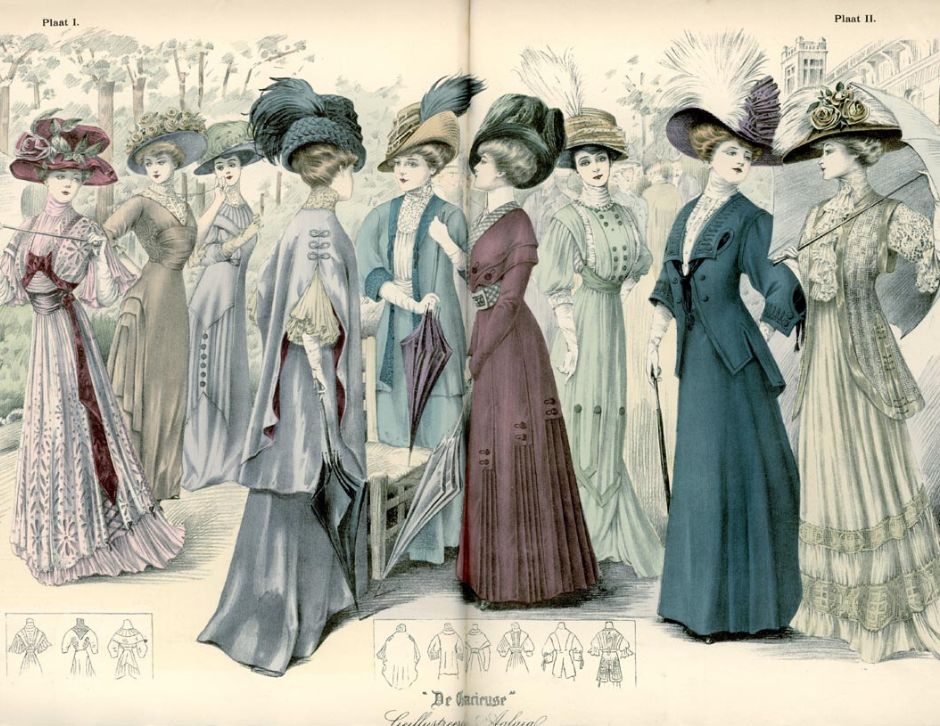
Featured Image: Uitgeverij A.W. Sijthoff, CC BY-SA 3.0, via Wikimedia Commons.
Related Reads.


