
One of the most provocative and appealing visual matters from the artistic times, which broke all the rules of sincere depiction of women and society, comes from women artists. Their canvases are the story of actual feminity and their intertwining with their surroundings reflect the past and present in the most deliberate forms of expression. Celebrating this expression of around 400 years, Tate Britain follows women on their journeys of becoming professional artists through an exhibition, Now You See Us.
From the Tudor times to the First World War in 1914, several women artists like Mary Beale, Angelica Kauffman, Elizabeth Butler, and Laura Knight became ideal as they proved their excellence by forming a successful path for the generations of women artists. Challenging society’s expression of ‘women involved in domestic work,’ they had commercial careers, unlike any male artists, taking part in even public exhibitions. This exhibition includes selected works of these artists while portraying 150 additional works of women artists in history who were often thought of as amateurs.
The Tudor Times specifically showed gaps in the craftsmanship of women artists and their lives as there was poor documentation of their lives. Susanna Horenbout and Levina Teerlinc, two of the earliest women artists of Britain, fall in the category, though their reputations were documented, no works by Horenbout were identified, and those attributed to Teerlinc are not certain.
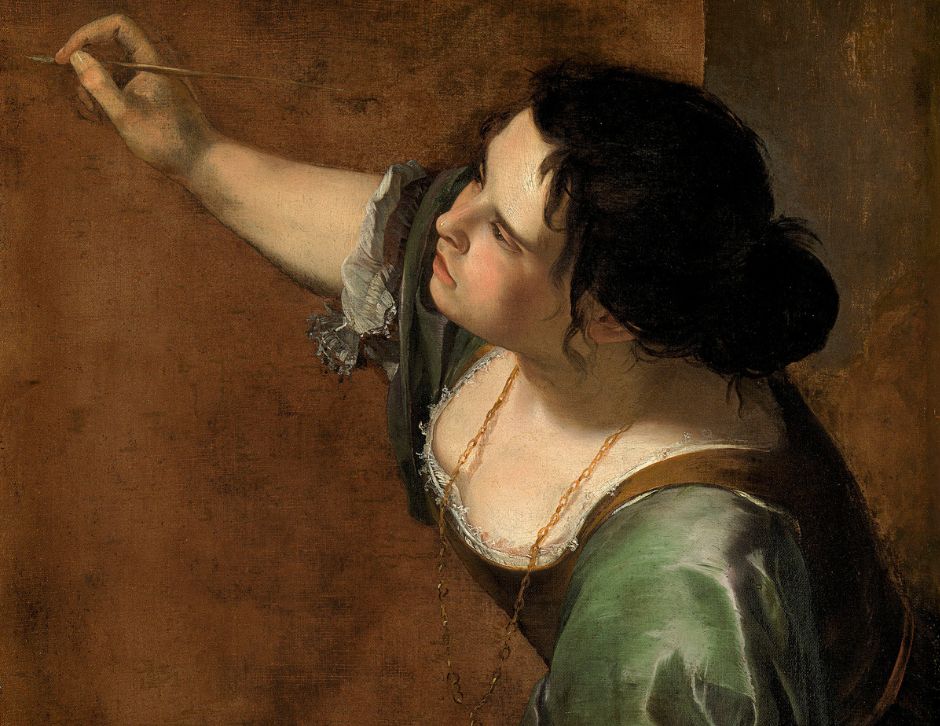
One of the famous Baroque artists, who achieved much fame in her lifetime and was a professional artist who had her own studio, was a member of an art academy, and worked with life models was Artemisia Gentileschi. But her status fluctuated over time. The early accounts of the artist’s biographies dictate personal events of her life instead of focussing on her work. In 1658, historian William Sanderson published Graphice, the Use of the Pen and Pencil, or, The Most Excellent Art of Painting, which included four women working in oil paint: Mrs. Carlile, Mrs. Beale, Mrs. Brooman, and Mrs. Wiemes. Though Carlile and Beale are the earliest British women to be professional artists, very little is known about them.
The first art exhibition in Britain took place in London in 1760, showing that art was an important part of the city. Between 1760 and 1830 alone, 900 women artists exhibited their work in the exhibitions. Angelica Kauffman and Mary Moser, being the founding members of the Royal Academy, were excluded from council meetings. It was only in 150 years that a woman was elected to this membership again.
Besides all these difficulties, art critics often criticized women for their weak figurative works, social expectations always hovered over them, and marriages left them with the title of ‘amateur’ artists. In all these, there were different women artists who challenged the course of time only to be professional artists! This exhibition is not only a tribute to those struggles but also an attempt to recognize the impeccable artistry of women artists while gaining knowledge of the stages of societal norms and history.
This exhibition is an ongoing event at Tate Britain and will remain accessible to viewers till October 13, 2024.
Featured Image: Self-Portrait as the Allegory of Painting by Artemisia Gentileschi; Artemisia Gentileschi, Public domain, via Wikimedia Commons.
Related Reads.


