
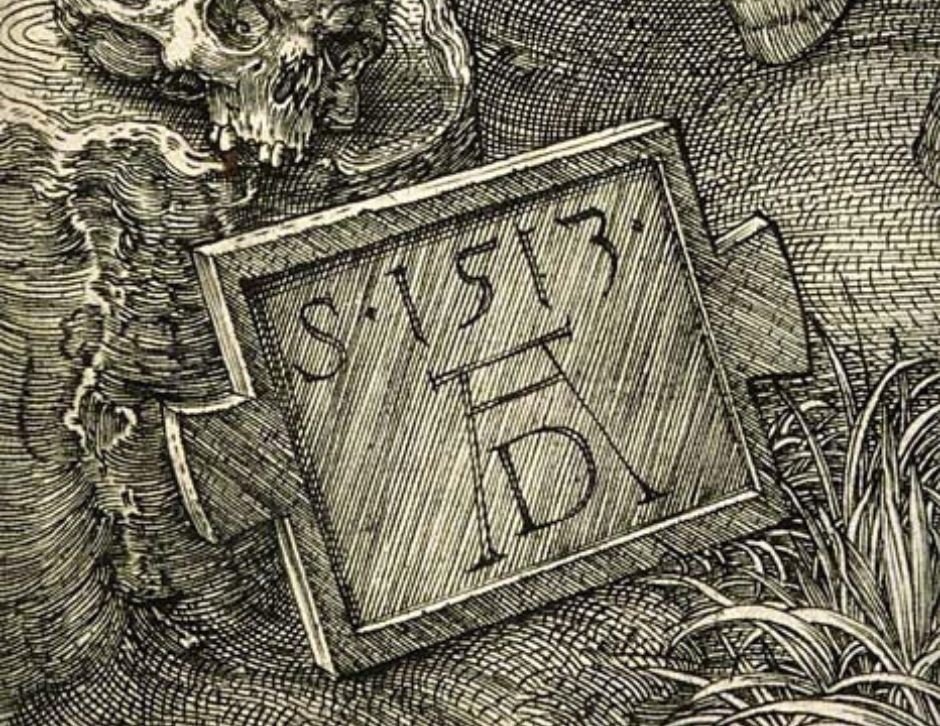
Whether an autograph on Jersey by your favourite player, the famous author’s signature on the book you brought last, or the number your lover wrote on your handkerchief with his/her initials, signatures are just too intimate to form a connection with that moment. I still hold my grandpa’s financial mementos with his signature, often bringing me that nostalgia of his absolute caring nature with his mindful intellect. Yes, it’s a small detail but it formed that lasting impact on me about the financial details he taught me all the years I had with him. Thereby it is not surprising to form an attachment with the signed autographs or mementos. However, beyond these keepsakes, they hold cultural value as well. In a painting, they form authenticity, further transforming it into a treasured artefact, linking the fans to a fleeting moment in the history. This article is a light read, informing about history and absolute benefits of the autographs.
Personal History of Autographs.
The collection of history originally started as more of a personal collection of works and perspectives. Modern historians often start with books and then progress to manuscripts and letters, but it used to be the other way around. The expansion of the library of Alexandria showcased as many as 400,000 personal records and manuscripts, mostly accumulated through the work of Ptolemy II.
Pliny the Elder kept a significant collection of letters and autographs, which he passed down to his nephew Pliny the Younger. This step is critical to the understanding of ancient Rome, as we would not have Pliny the Elder’s collection otherwise, or possibly the personal record of the destruction of Pompeii that Pliny the Younger documented afterward.
Contemporary Commentary.
Although it is quite common for artists to sign their works in the modern age, its roots only date back to the early years of the Renaissance. Autographs rose in popularity because artists wanted recognition for their work, as a way of increasing their social standing and favorability.
The famous painting, “Portrait of Giovanni Arnolfini and His Wife” is full of symbolism, but the autograph is abundantly clear. In the background of the painting, above the mirror, painter Jan van Eyck wrote, “Jan van Eyck was here 1434.” The mirror depicts the image in reverse with an additional figure that many believe is van Eyck himself, confirming his assessment that he was, in fact, there.

Record-Keeping.
When art made its way through generations, people who have lost significant context often wished to have an understanding of how the work was done. Some artists intend to be enigmatic, leaving few records that others could use to follow their trails. Others prefer to be specific about their approaches, to improve the understanding and appreciation of the piece.
In either case, the autograph becomes a treasure trove of useful information about the work and the author. It might include the date, materials used, colors, equipment, title, dedication, subject, and more. In classification of the work decades or centuries afterward, this information can guide artists and art enthusiasts alike in the development of their own masterpieces.
Authenticity.
Even historically, a signature was a key part of verifying authenticity. People wanted to leave their mark for millennia. Knowing precisely whose mark was left is often a matter for the autograph, when the people who could recognize the handwriting are also long gone. The signature serves as a proof that this person lived as more than a simple collection of their thoughts or actions.
For verifying the authenticity of the work, the signature often makes the difference. Anyone can take a painting (or even an old, dirty baseball) and assign it to a particular person. The signature, verified against other instances of the creator’s writing, provides additional credibility.
Relatability in the Modern Age.
While in earlier times an autograph was a way of determining the authorship of a singular work, in the modern age, with prints, baseball cards, and other memorabilia, it becomes a sign of emotional authenticity and relatability. Hobbyists enthusiastically collect signed baseballs and film posters to demonstrate that they were at a particular moment in the cultural zeitgeist. Similarly, latecomers can visit their local autograph store to purchase their favorites and ensure that the value of the item will remain higher as a result.
Autographs are important, from the simplest signature at the end of a letter to the autograph assigning authorship of a famous painting. Collectors prize items with signatures as testament to the work’s authenticity and relatability. Autographs help to place works within a particular historical context, while also adding to the artistry and general interest of the object.
Author Bio
Tom Cathey is Co-founder of SWAU, a Houston-based entertainment collectibles company that connects fans with celebrities via autograph signings, memorabilia auctions, and vibrant collector communities. Cathey has more than six years of experience in the industry, focusing on curating authentic autographic opportunities and fostering a tight-knit global collector community.
Resources.
- From Pliny to Petrarch: A Short History of Collecting Autographs; Raab Collection.
- What’s In An Artist’s Signature; Terra Kind Studio.
- Arnolfini Portrait; Wikipedia.
- Historical Libraries: The Library of Alexandria; My MCPL.
- The Origins of the Artist Signature; Sybaris Collection.
- Featured Image: Signature of Albrecht Dürer; Albrecht Dürer, Public domain, via Wikimedia Commons.
Related Reads.


