
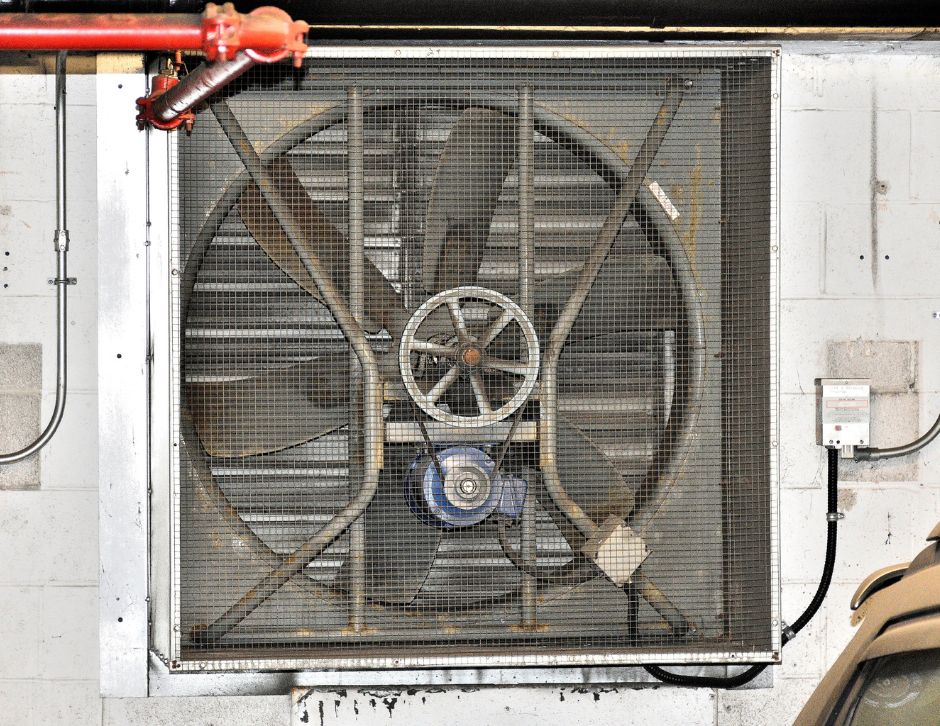
Temperature is a key factor that defines the difference between indoor and outdoor environments—beyond just walls and a roof. In fact, this single element determines whether your interior design and planning truly make an impact. Let’s be honest, who wants to sit on a velvet couch and feel hot, or, if you like to write, like me, feel cold in your chair? To address this, professional contractors recommend HVAC: Heating, Ventilation, and Air Conditioning System. At the same time, an interior designer ensures the overall aesthetics. Knowing the importance of this system, I am taking the liberty to answer in detail: What is HVAC? This article will break down the information through HVAC’s components, explaining how you should pick a system for your purpose to achieve optimum performance and efficiency while considering its cost. I will also share the surrounding factors so you can make an informed decision.
What Is HVAC: Definition.
HVAC stands for Heating, Ventilation, and Air Conditioning system, which provides conditioned air, maintains air quality, and eliminates odors to ensure comfort for the occupants of any space, whether residential or commercial. The system operates through various components that provide or eliminate heat, as required.
HVAC System Components: A Quick Look.
With the definition of HVAC in mind, it’s clear that a complete system performs several functions. To ensure overall comfort, these systems are composed of various components. Although the specific elements may vary among different HVAC types, the following overview will introduce you to the basic HVAC components before diving deeper into each category.
1. Heating.
There are four types of components in an HVAC system: furnaces, boilers, heating pumps, and heating coils. Note that these components differ in different types of HVAC systems and may have different levels of energy input.
- Furnace: Uses electricity, natural gas, oil, or other fuels to generate heat for the air that needs to be distributed.
- Boilers: A boiler in HVAC systems generates heat using similar fuel to that of a furnace and heats water or produces steam, which will be distributed through radiators or underfloor heating systems.
- Heat Pumps: A heat pump sends heat from one location to another, as per the demand for either heating or cooling. It can either extract indoor heat and transfer it outdoors or vice versa.
- Heating Coils: Heating coils are warmed up by hot water or steam to then warm up the air that passes through.
2. Ventilation.
Ventilation in every HVAC system has three components: Air Handling Units (AHUs), Ductwork, and Ventilation Fans. Together, they help the ventilation component to facilitate the movement of air and maintain air quality.
- Air Handling Units: They are the central unit of the ventilation component that cools and distributes air throughout the building or space. They consist of various other components, such as fans, mixing chambers, filters, humidifiers/dehumidifiers, heating and cooling coils, and dampers.
- Ductwork: Ductwork consists of various ducts that supply conditioned air throughout the building and take the return air back to the AHU.
- Ventilation Fans: Help in controlling air movement or quality.
3. Air Conditioning.
An air conditioning component in HVAC is responsible for extracting heat and humidity from any space and using the refrigerant to provide cool air. It consists of the following components.
- Air Conditioners: An air conditioner component in a heating, ventilation, and air conditioning system is responsible for extracting heat from the indoor air using a refrigerant cycle and expelling it outside.
- Chillers: Chillers remove heat from the liquid using refrigerants, further circulating them through cooling coils in AHUs to cool the air.
- Cooling Towers: Use evaporative cooling to remove heat from the chilled water.
4. Other HVAC System Components.
Some of the other components of the HVAC system are as follows.
- Variable Air Volume Boxes: These are zone-level air control devices that oversee the amount of air delivered to each space, suitable for the temperature requirements.
- Thermostats: They detect the temperature of the space and then command the HVAC system to maintain the desired temperature by adjusting the heating or cooling.
- Filters: Filters in the HVAC system trap dust, allergens, and other particles to maintain the air quality.
- Humidifiers/Dehumidifiers: This component in the HVAC system controls the humidity level of the air.
- Control Systems: As the name suggests, they control the operation of the HVAC system through programming and sensor input.
- Sensors: Used to provide important data, such as humidity and temperature, to the control systems.
- Dampers: Dampers are critical in regulating airflow by opening and closing ducts.
- Exhaust Fans: Remove indoor air to the outside to eliminate stale air, moisture, odors, and contaminants in areas such as restrooms, industrial spaces, and kitchens.
How do HVAC Systems Work?
An HVAC system continuously circulates air to maintain comfortable conditions for the occupants of any given space. To explain the working of these systems, I am dividing the tasks into the following points:
- Cooling Mode: Provides cool and dry air to eliminate the heat of the zone.
- Heating Mode: Provides warm air to balance heating losses.
- The exhaust helps in taking the air from the zone to the outside, ensuring that the pollutants generated by the occupants and processes are removed.
- A part of this return air can then be passed through the damper to maintain the pressure of the building. A damper also ensures that the return air is mixed with the fresh outside air in such a way that the pollutants are diluted and no contaminants gather inside the building.
- The ventilation air duct ensures the circulation of outside fresh air.
- The collective mixture of fresh air and return air is then transferred through a filter to eliminate dust or other pollutants.
- This air is then transferred through heating or cooling coils and released into the zone to maintain ideal conditions.
Types of HVAC Systems: Crucial Before Discussing Efficiency.
There are various types of HVAC systems, and each has its own characteristics, making them suitable for different kinds of spaces. To be explanatory enough, I will split this section into different points, each explaining a type of HVAC system.
1. Central HVAC Systems.
A central HVAC system is a single large unit or a group of other units that operate from a centralized location and control the temperature and humidity of the entire building. A preferred type of HVAC for commercial spaces, such as hospitals, airports, hotels, and office complexes, these systems are further classified into all-air, all-water, and air-water systems.
- All-Air System: An all-air system uses air as the primary medium for cooling and heating. They can be designed for both single-zone and multiple-zone, depending on the number of spaces required, and transport conditioned air through the ductwork.
- All-Water System: This HVAC system uses water as the heat transfer medium for heating and cooling. This water is circulated in the coils in AHUs, and the air passes over them, helping heat or cool the space.
- Air-Water System: This type of HVAC system uses both air and water. Air is used for fresh air, and water is circulated in coils to condition air. In this type of system, the water conducts 80-90% of the conditioning while the air does the rest of the job.
2. Local HVAC Systems.
A local HVAC system is a complete package that has cooling and heating components, alongside a blower, a filter, and control devices. These systems are suitable for a specific space and are of three main types.
- Window Air Conditioners: Window air conditioners are individual units that operate without ducts and can be fitted through framed or unframed openings in buildings’ walls and in windows. These systems use a vapor evaporation refrigerating cycle and provide both cooling and heating. However, the latter can be achieved by adding an electric resistance coil in the air conditioning or by reversing the refrigeration cycle to act as a heat pump.
- Unitary Air Conditioners: Unitary air conditioners are systems that are similar to window conditioners but are highly preferable for commercial buildings. They are located near the floor-wall intersection and installed on the exterior wall of the building. The common types of unitary air conditioners are packaged units and split systems.
What Is the Optimal Temperature to Run an HVAC At?
It must be brought to attention that optimal temperature is perhaps a vaguely classified term, as it fails to address the comfort of each occupant or take human comfort into consideration. To learn extensively about this, I recommend Heating and Cooling of Buildings. However, to answer this question, the ASHRAE Standard 55 recommends the following temperature ranges.
- Winters (Heating): 68°F to 75°F (20°C to 23.5°C)
- Summers (Cooling): 73°F to 79°F (23°C to 26°C)
Further, the same standard states that every degree raised in the summer can bring about a significant change in energy efficiency.
Energy Efficiency in HVAC: Aspects You Need to Consider.
Alongside the comfort of the indoors, an HVAC system should be assessed through its energy-efficient nature and cost-effectiveness. Therefore, to achieve energy efficiency in HVAC, you need to consider these points:
- An appropriately sized HVAC system, neither large nor small, can bring all the benefits while being efficient.
- Always pay attention to the energy efficiency ratings. A high efficiency rating indicates better efficiency. Some of the ratings to consider are SEER, EER, HSPF, and COP.
- Reduce thermal transfer of your conditioned zone through proper insulation, and reduce any air leaks by sealing air gaps around windows, doors, and ductwork.
- Follow a strict maintenance routine for your HVAC system. This increases the system’s lifespan while ensuring that the filters and coils are clean and operate efficiently.
- Increase the temperature in the summer to up to 29°C during unoccupied hours to further decrease energy consumption.
Note: You can also invest in smart systems that optimize the settings using real-time data and feedback. Ask the seller for their recommendations.
Which HVAC System Is the Best?
Now that you know what is HVAC and the surrounding aspects of these systems, it is time that I provide you with simple steps to decide the right HVAC system for your purposes, residential or commercial.
- Write down the ideal conditions you want in your space and list down systems that match the requirements.
- Measure the conditioned zone and take into account other factors, such as insulation, sunlight, windows, and occupants.
- It is important to understand that a room with a kitchen nearby or one that is glassed in will require a higher load for cooling.
- Use online tools or programs based on Manual J to get the load calculation. The above information will be useful for this.
- Consider the restrictions your space may or may not have for the installation of any system. For instance, does your space have enough room to install a system or not? Narrow the HVAC systems down post this.
- Filter the HVAC systems as per your budget. For this, you need to consider initial cost, operational cost, and maintenance cost.
- Finally, consider the advice of HVAC professionals. They can recommend the right system based on design, features, and costing.
Note: If you are adding a new system to the existing one, it is essential to ensure that they are adaptable to existing equipment, ductwork, and piping while being able to fit into the space.
Final Words.
HVAC is a wide field of knowledge and engineering in which research is still ongoing. What needs to be brought to the buyer’s attention are the relevant aspects, such as the ones shared in this guide, and with little help from your designer or an HVAC professional, you can pick the right system. I hope this answered your question: what is HVAC and the others surrounding it.
Resources.
- Featured Image: Saud, CC BY-SA 4.0, via Wikimedia Commons.
- Principles of Heating, Ventilation, and Air Conditioning in Buildings by John W. Mitchell and James E. Braun.
- Heating, Ventilating, and Air Conditioning: Analysis and Design by Faye C. McQuiston, Jerald D. Parker, Jeffrey D. Spitler, and Hessam Taherian.
- Residential Load Calculation Manual J® by P.E., Air Conditioning Contractors of America, and Hank Rutkowski.
- HVAC Fundamentals: System Design, Operation, Selection, and Optimization by Samuel C. Sugarman.
- Types of HVAC Systems by Shaimaa Seyam.
Frequently Asked Questions.
HVAC stands for Heating, Ventilation, and Air Conditioning systems that are fitted in a building to provide conditioned air to a residential or commercial space. In addition to maintaining temperature, they are also useful in maintaining the air quality of a space and eliminating odors or contaminants from the conditioned zone.
An HVAC technician is a trained professional who installs, repairs, and maintains an HVAC system. These technicians are helpful in routine checks of the system and reliable experts to learn about the right HVAC system for any space or usage.
While there are many HVAC brands in the market, one of the most renowned brands is Mitsubishi. One of the reasons for their standards is the avoidance of cost-cutting, thereby manufacturing reliable products.
HVAC is a complete system that is tasked with heating, cooling, and ventilation for a year-long dependence. On the other hand, AC is one of the components of an HVAC system, used only for cooling and eliminating humidity during the summers.
A commercial HVAC is a more complex and larger system that serves the purpose of distributing conditioned air to multiple zones. Compared to it, a residential HVAC is smaller, consumes less energy, is cheaper, and requires less effort in installation.
The three types of HVAC are central HVAC systems, local HVAC systems, and smart HVAC systems.
Energy efficiency in HVAC is an indicator of lesser energy consumption in heating, ventilation, and air conditioning systems.
Related Reads.


