Mahima Sharma (Writer, Research & Founder)
Here is a glimpse of the enigmatic Mahima, a self-taught learner and writer, passionate about art, architecture, design, and decor. She is a force to be reckoned with in the world of creative expression, with her mischievous twinkle in her eye and her pen dancing across the page.
-
Biophilic Architecture: Exploring Values Within Sustainability
Biophilia in architecture features the idea of making a sustainable space essential for physical, mental and spiritual well being of the occupants. Here’s a description of the term as well as how it does that.

-
Caravaggio Paintings: A Legacy Preserved for Almost 4 Centuries
Known to style the artworks with Humanist characteristics and light patterns, Caravaggio is unarguably among the most important Italian artist to know about. Read on to learn a few of his paintings that continue to inspire viewers.

-
Hawaiian Architecture: In-Depth Account of the Style
The history of Hawaiian architecture procures contributors from various ethnic groups and countries together that defines the current style. Read on to find everything from the history to present.

-
The Great Masturbator: A Look at Dalí’s Fear and Fantasy
The Great Masturbator, a 20th century artwork, is often confused for its meaning while it hides a funny childhood story of the artist. Read on to find everything about the painting.

-
Leonardo da Vinci (Anatomist): A Curious Brain & Discoverer
Leonardo da Vinci is widely known for his anatomical drawings and findings. Here’s a peek inside to learn what makes them one of a kind and how the polymath was a great anatomist.

-
Mary Delany: An Artist With Exceptional Gallery of Paper Cuts
The art of paper cuts remains rare to date. While many may forget it for the reason, here’s a throwback to one of the leading artists who started late and took attention with her precision, Mary Delany.

-
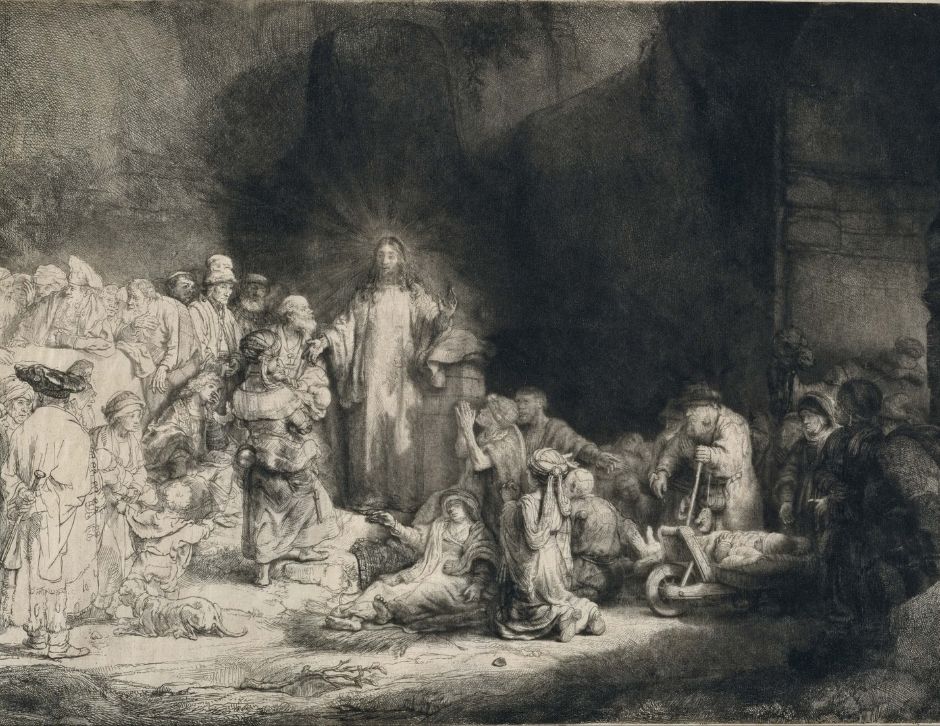
15 Famous Paintings of Jesus – Jesus Christ & the Biblical Stories
Jesus Christ is essentially the most crucial subject of religious paintings. Read on to know about fifteen of the famous paintings of Jesus.

-
The Two Fridas: Looking at Frida’s First Large-Scale Work
Frida Kahlo, the Mexican painter, is known for some of the most cruel and close depictions of her personal life. The Two Fridas is one among them, depicting the artist’s dual personality and her pain of divorce.

-
10 Sarojini Naidu Poems Forecasting the Indian Life
Sarojini Naidu, the Nightingale of India, was recognised for her poems reciting emotional lyrics. Rich of a variety of them, here are ten of her poems with a brief explanation.

-
The Elevation of the Cross: Rubens’ Gem From Baroque Dynamism
Peter Paul Rubens, the Baroque legend, painted The Elevation of the Cross in 1610. The artwork exhibits an extraordinary use of chiaroscuro patterns and evidently shows Rubens complexity and muscular depictions.